
Central Monitoring System for Patient Monitoring
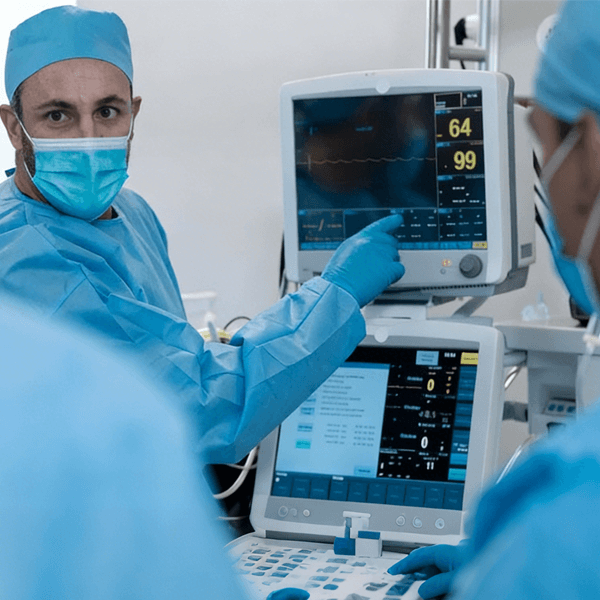
Central Monitoring System
The system collects physiological data from patient monitors and displays ECG waveforms, heart rate, oxygen saturation and blood pressure on centralized screens. This allows nurses and doctors to quickly identify abnormal conditions and respond to patient emergencies.
Central monitoring systems are widely used in ICU units, hospital wards, emergency departments and surgical areas where continuous monitoring is required.
Central Monitoring System Architecture
A typical hospital central monitoring system includes the following components.
Bedside Patient Monitors
Patient monitors installed at each bedside collect physiological signals such as ECG, SpO2 and blood pressure.
Central Monitoring Workstation
Located at nurse stations or monitoring centers to display patient data from multiple bedside monitors.
Hospital Network Connection
The monitoring system connects devices through wired or wireless networks to ensure real-time transmission of patient data.
Key Advantages of Centralized Monitoring
• Continuous monitoring of multiple patients
• Real-time ECG waveform display
• Faster response to abnormal vital signs
• Improved nurse workflow efficiency
Centralized monitoring helps hospitals manage patient care more efficiently while improving patient safety.