
Portable Patient Monitors
Portable Patient monitoring system
Portable monitors provide real-time physiological monitoring including ECG waveform, oxygen saturation and blood pressure. Because of their lightweight design and battery-powered operation, they are widely used in emergency medicine, ambulance transport and intra-hospital patient transfer.
Portable monitoring devices help maintain continuous patient observation even when patients are moving between clinical locations.
Recommended Portable Patient Monitors

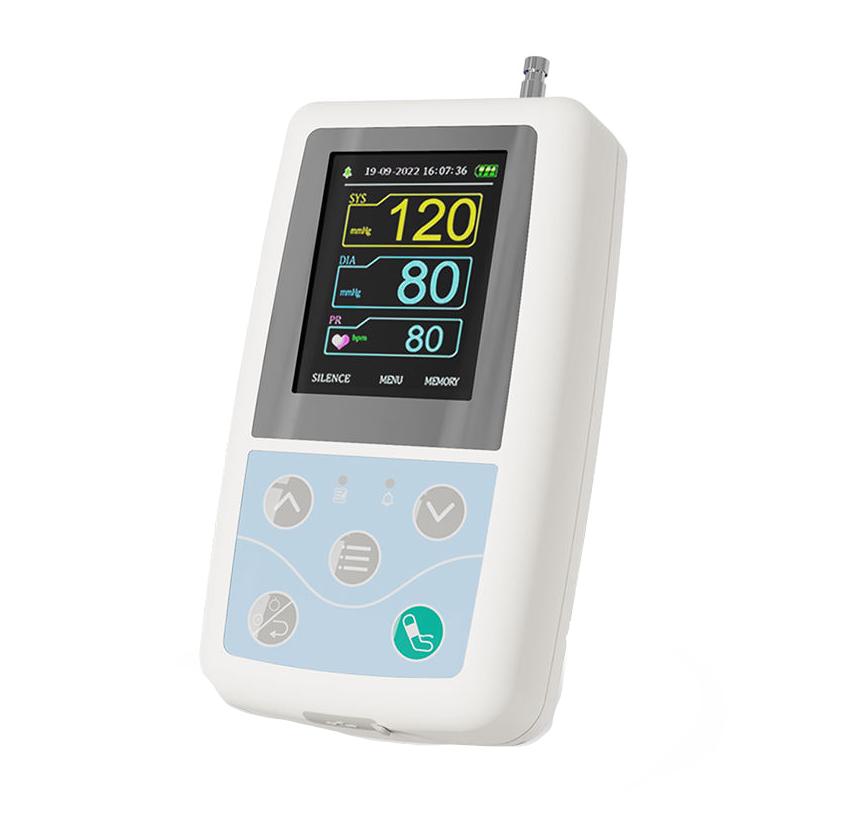
PM50 Portable Patient Monitor
multi-functional patient monitor that can monitor BP and SpO2 at the same time. the device is widely applicable to hospital wards, community clinics and other medical institutions.
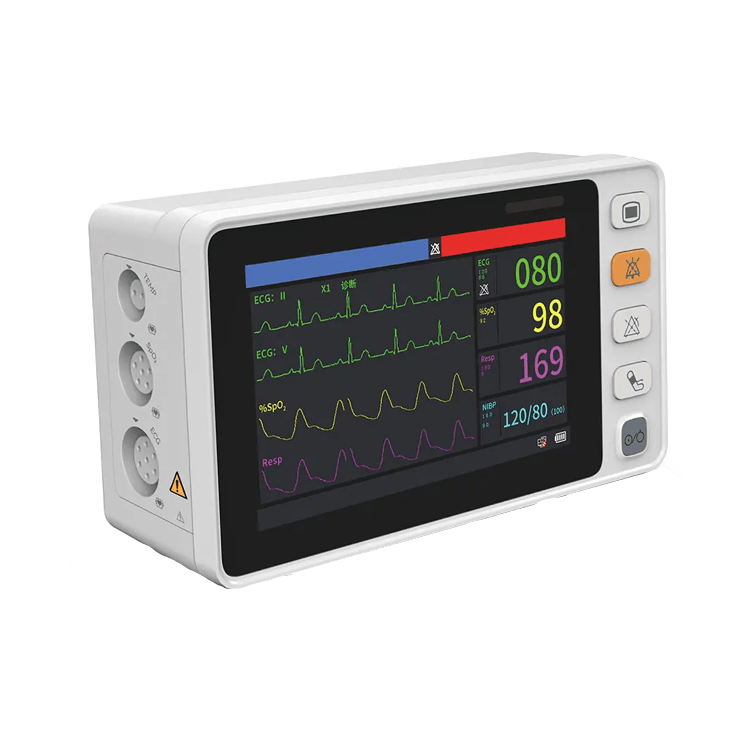
CMS1000 Patient Monitor
ECG, RESP, SpO2, PR, NIBP, TEMP and CO2 (optional). It integrates parameter measurement module and display into one device to form a compact and portable monitor.
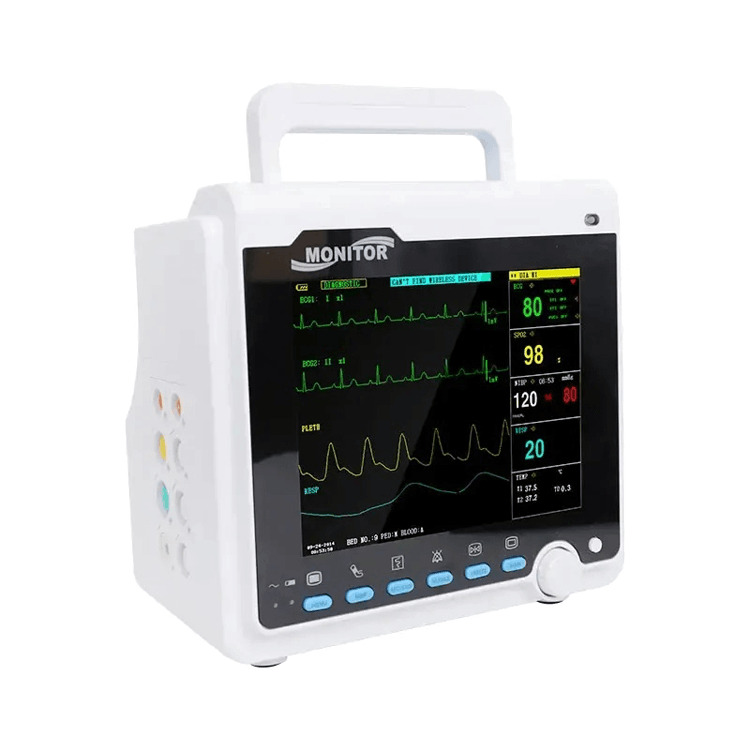
CMS6000 Patient Monitor
suits adults, pediatrics and neonates. 8" TFT display for real-time data and waveforms, supports wired/wireless central monitoring, and includes ECG, RESP, SpO₂, NIBP and dual TEMP.
Key Characteristics of Portable Patient Monitors
Portable patient monitoring devices are designed for mobility and rapid deployment in clinical environments.
Typical characteristics include:
• Compact and lightweight design
• Built-in rechargeable battery
• Multi-parameter vital signs monitoring
• Clear waveform display during transport
• Alarm alerts for abnormal vital signs
These features allow continuous monitoring during emergency treatment and patient transport.
Monitoring Parameters
Portable patient monitors usually measure the same core physiological parameters as bedside monitors but are optimized for mobile environments.
Typical monitored parameters include:
• ECG waveform
• Heart rate
• Oxygen saturation (SpO2)
• Blood pressure (NIBP)
• Respiratory rate
Continuous monitoring of these parameters helps medical staff assess patient conditions during transport or emergency care.
Portable Monitoring in Emergency and Transport Care
Portable patient monitors are commonly used when patients need monitoring while being moved or transported.
Typical scenarios include:
• Ambulance patient transport
• Emergency department monitoring
• Intra-hospital patient transfer
• Pre-hospital emergency care
Because these environments require flexible monitoring solutions, portable monitors are designed for quick setup and reliable operation during movement.
Integration With Hospital Monitoring Systems
Portable monitors can also be integrated with hospital monitoring systems to maintain continuity of patient data.
During transport, monitoring data can be displayed locally on the portable monitor and later integrated into hospital monitoring networks.
Explore More Patient Monitors
FAQ:
What is a portable patient monitor?
A portable patient monitor is a compact medical monitoring device used to observe patient vital signs during emergency treatment, transport or mobile clinical care.
Where are portable patient monitors used?
Portable monitors are commonly used in ambulances, emergency departments and during intra-hospital patient transport.
What parameters do portable monitors measure?
Portable patient monitors typically measure ECG waveform, heart rate, oxygen saturation and blood pressure.
