
- Home >
- Patient Monitors >
- Bedside Patient Monitors >
- CMS8000 Patient Monitor
CMS8000 Patient Monitor
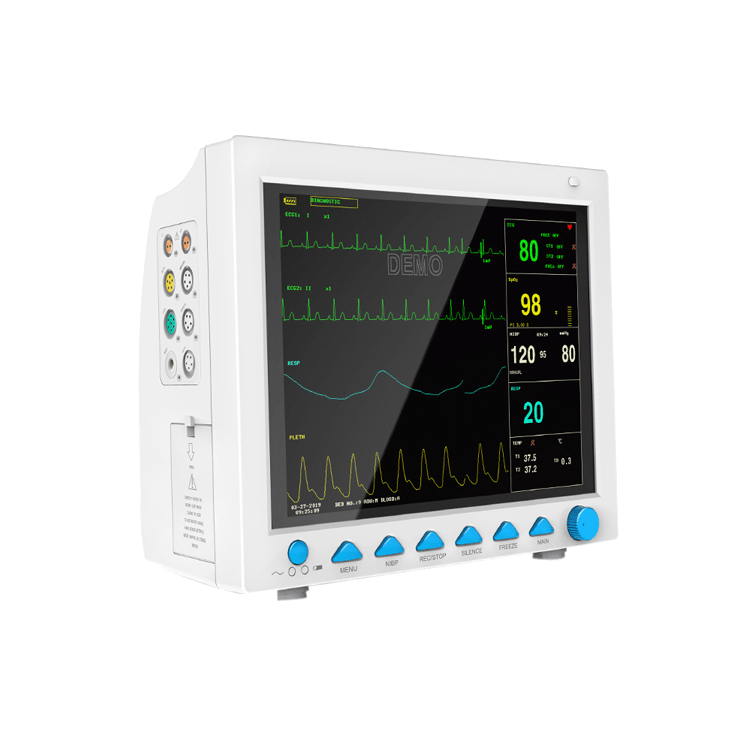
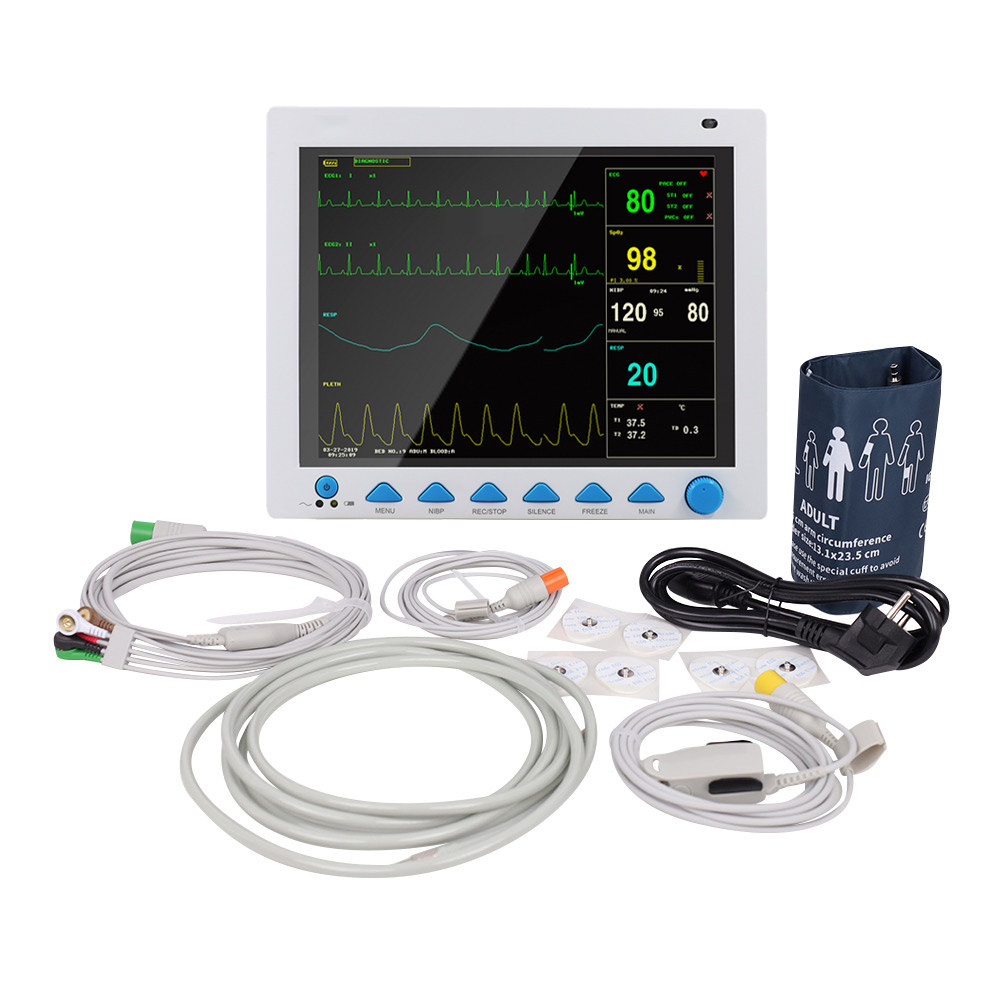
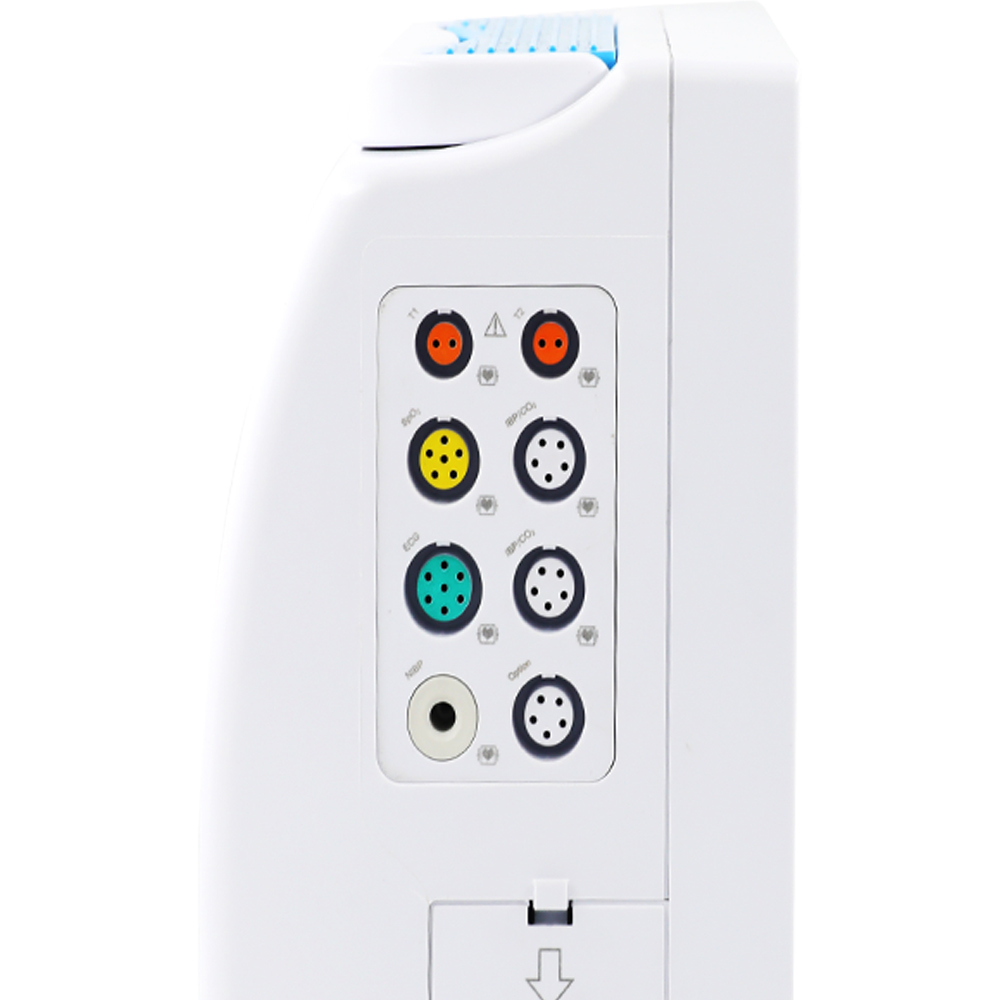
CMS8000 Patient Monitor is a multi-parameter monitoring device designed for bedside use in hospital environments. It provides stable and continuous monitoring of key physiological parameters including ECG, oxygen saturation and blood pressure.
Compared with ICU-level monitors, CMS8000 is optimized for routine patient monitoring in general wards while maintaining reliable performance.
Key Features
• Multi-parameter monitoring for bedside use
• Real-time ECG waveform display
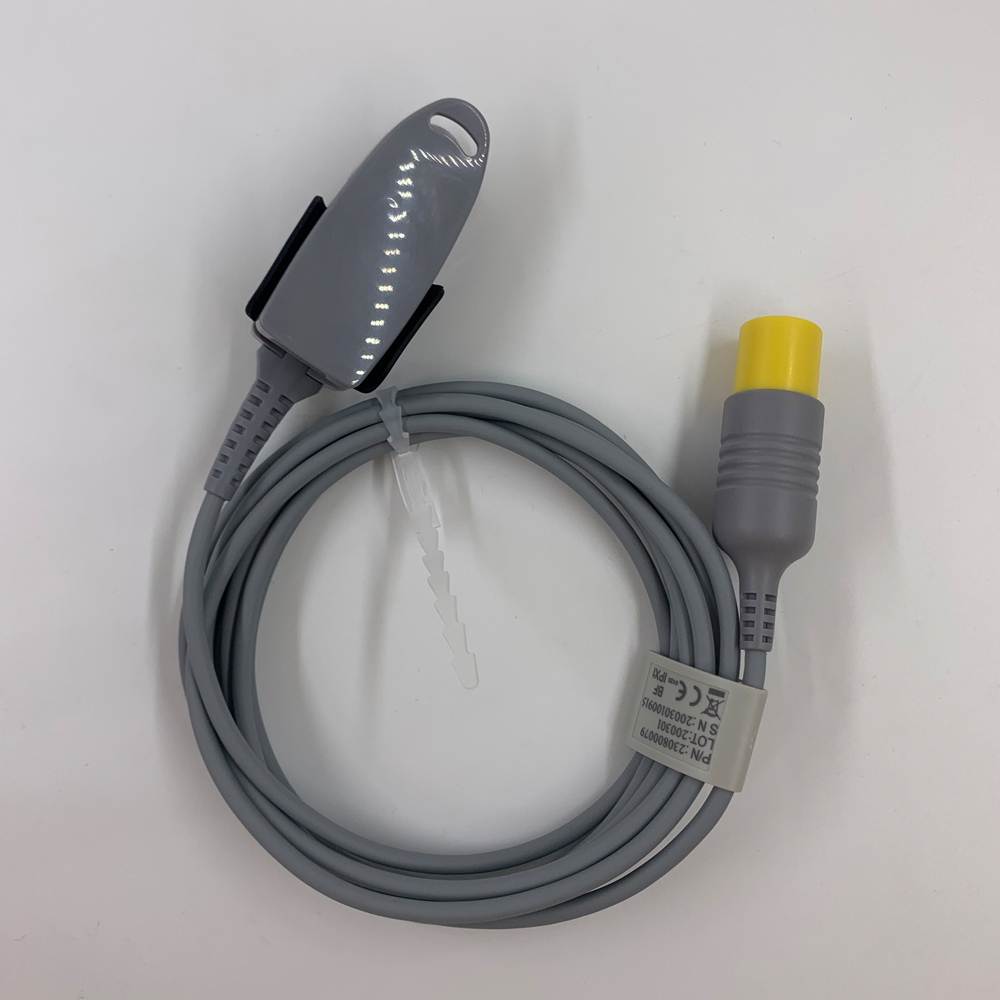
• Oxygen saturation monitoring (SpO2)
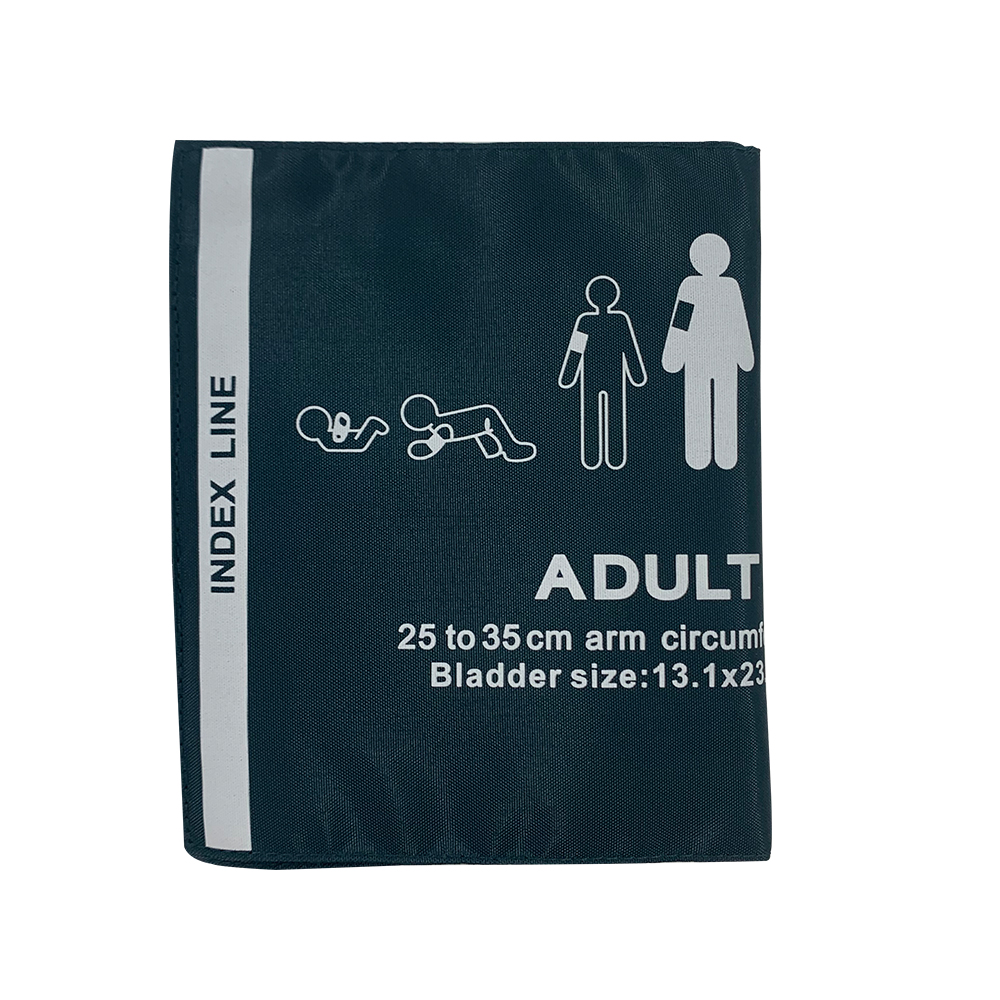
• Non-invasive blood pressure monitoring (NIBP)
• Stable performance for long-term monitoring
• Visual and audible alarm system
Monitoring Parameters
CMS8000 supports essential patient monitoring parameters:
• ECG
• Heart Rate
• SpO2
• Blood Pressure
• Respiration Rate
• Temperature
Suitable for continuous monitoring in hospital wards.
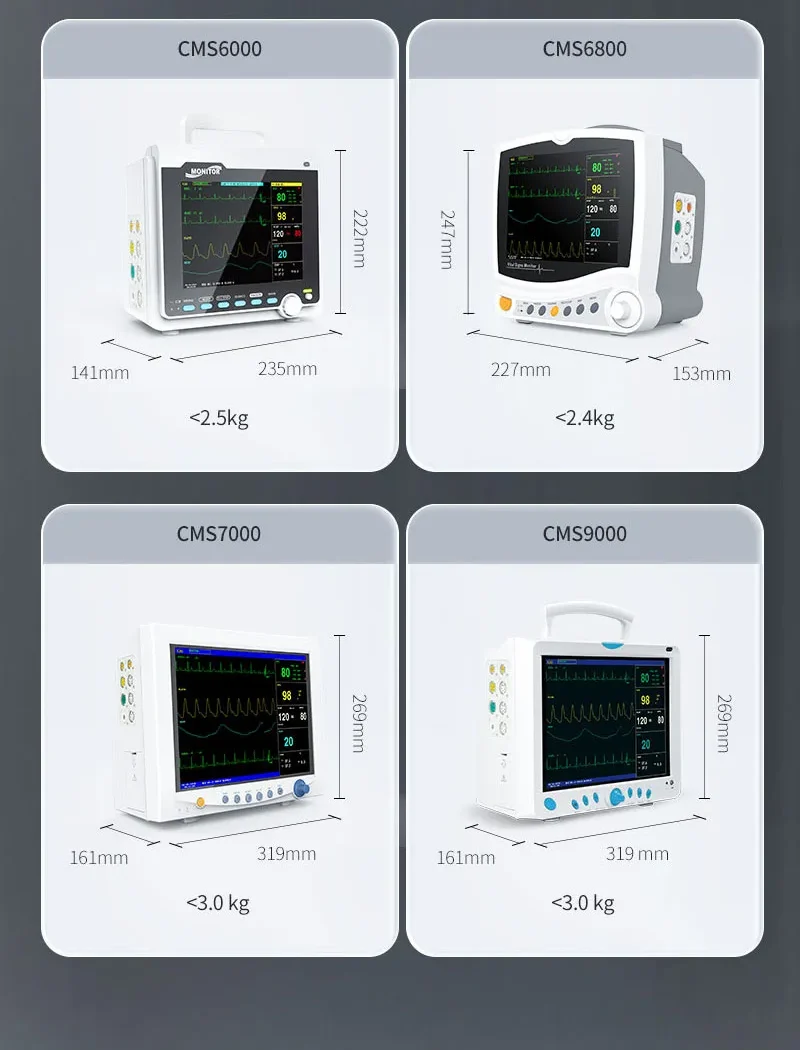
CMS8000 vs CMS9000
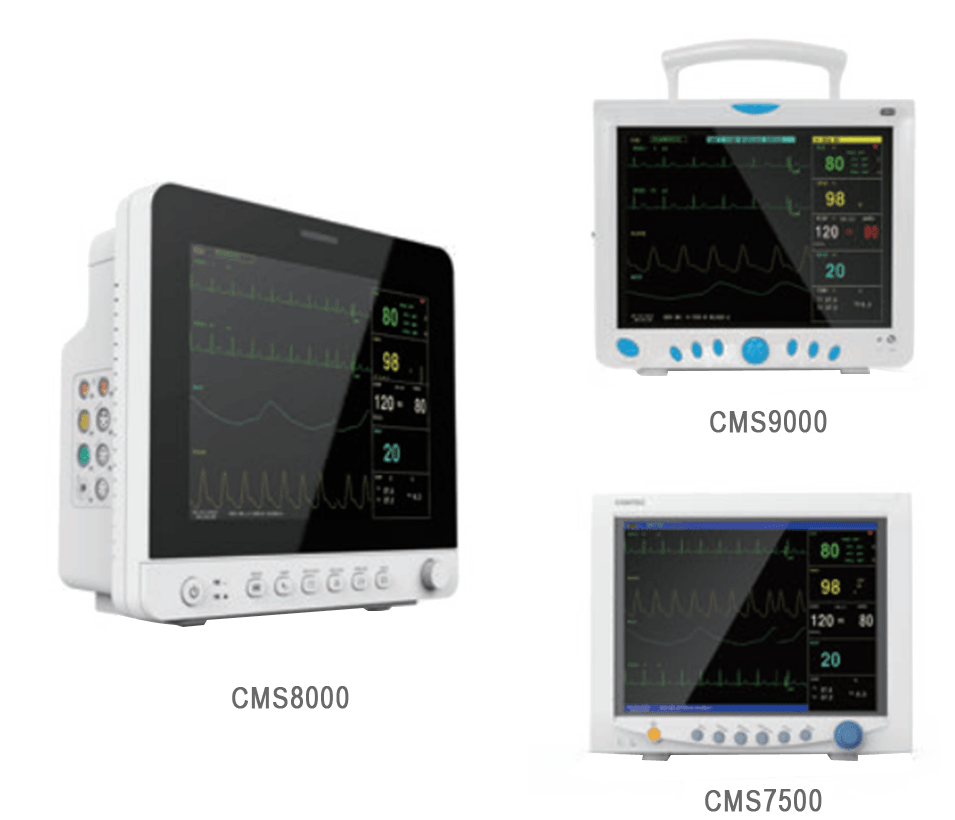
| Feature | CMS8000 | CMS9000 |
| Application | Bedside / General Ward | ICU / Critical Care |
| Monitoring Level | Routine Monitoring | Advanced Monitoring |
| Usage Scenario | Stable patients | Critically ill patients |
| Mobility | Fixed bedside | ICU integrated |
| Complexity | Moderate | Higher |
Designed for Bedside Monitoring
CMS8000 is widely used in:
• Hospital general wards
• Post-operative recovery units
• Observation rooms
System Integration
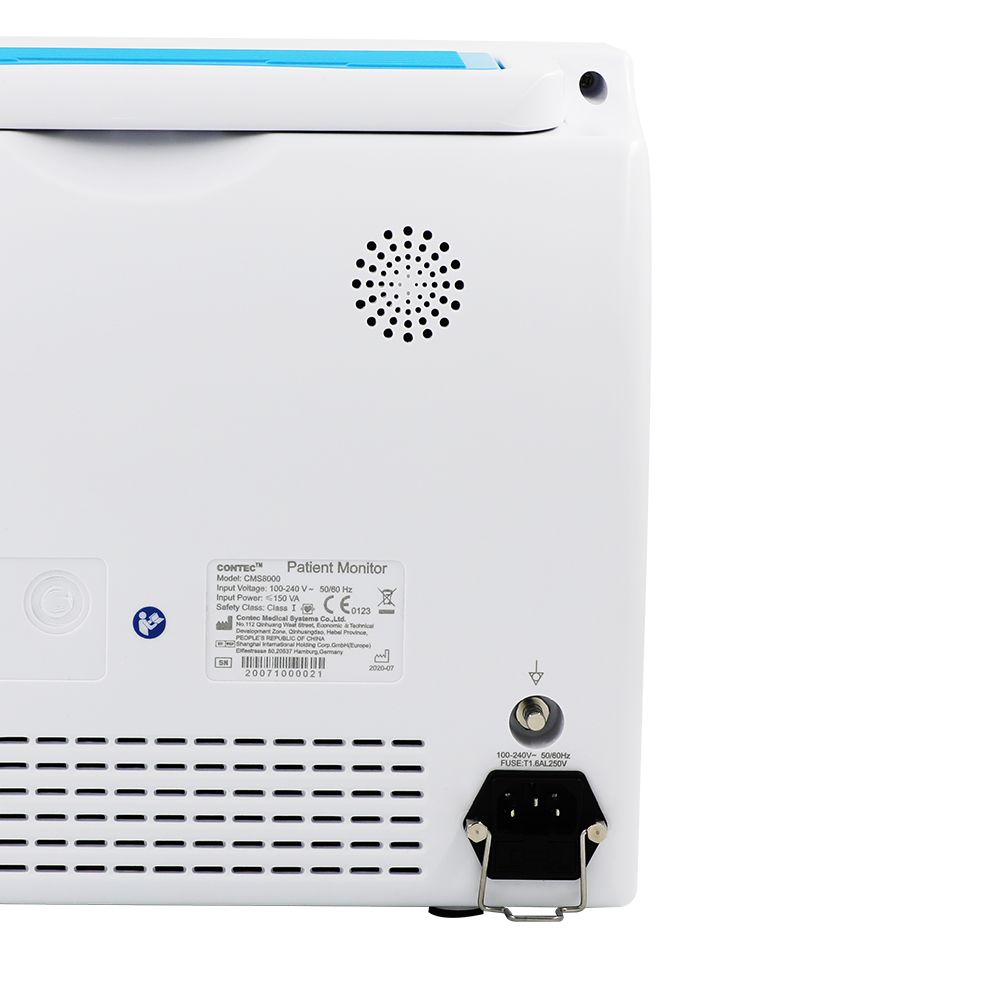
CMS8000 can be connected to hospital monitoring systems for centralized observation.
Why Choose CMS8000 Patient Monitor
• Ideal for routine hospital monitoring
• Balanced performance and usability
• Suitable for long-term patient observation
• Reliable and stable operation
FAQ
What is CMS8000 patient monitor used for?
CMS8000 is used for routine patient monitoring in hospital wards and bedside environments.
What is the difference between CMS8000 and CMS9000?
CMS8000 is designed for general ward monitoring, while CMS9000 is used in ICU and critical care environments.
Is CMS8000 suitable for ICU?
CMS8000 is mainly designed for bedside monitoring, while ICU environments typically require more advanced monitors like CMS9000.