
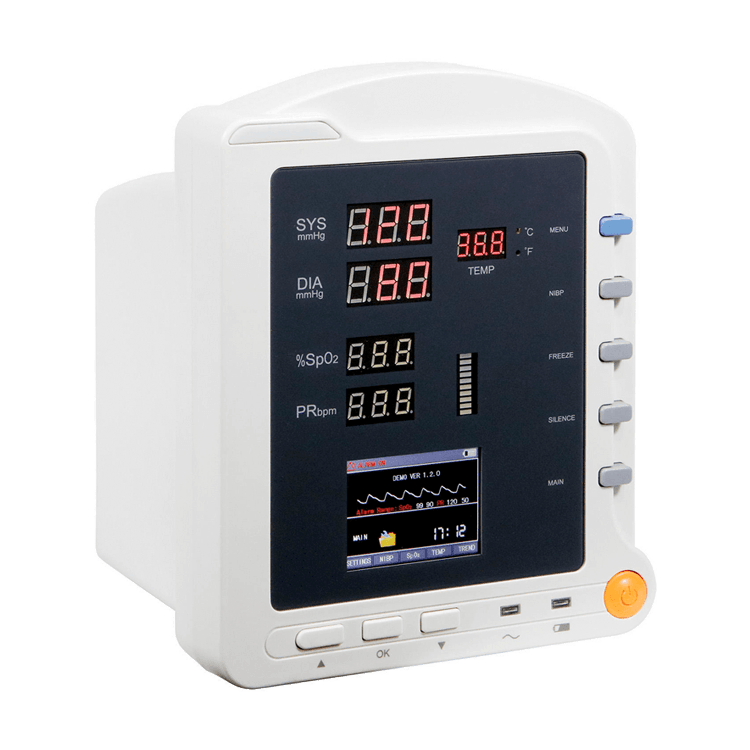
Vital Signs Monitors for Fast Clinical Measurement
What Are Vital Signs Monitors?
Vital signs monitors are used for:
• Spot-check measurement (not continuous monitoring)
• Fast patient screening
• Basic vital sign recording
Unlike bedside monitors, they are optimized for efficiency and ease of use, not long-term monitoring.
Available Vital Signs Monitor Models

HMS6500 Multi-parameter Vital Signs Monitor
Basic and compact vital signs monitor designed for routine patient checks.
Typical use:
• Clinics
• Outpatient departments
• Basic patient assessment
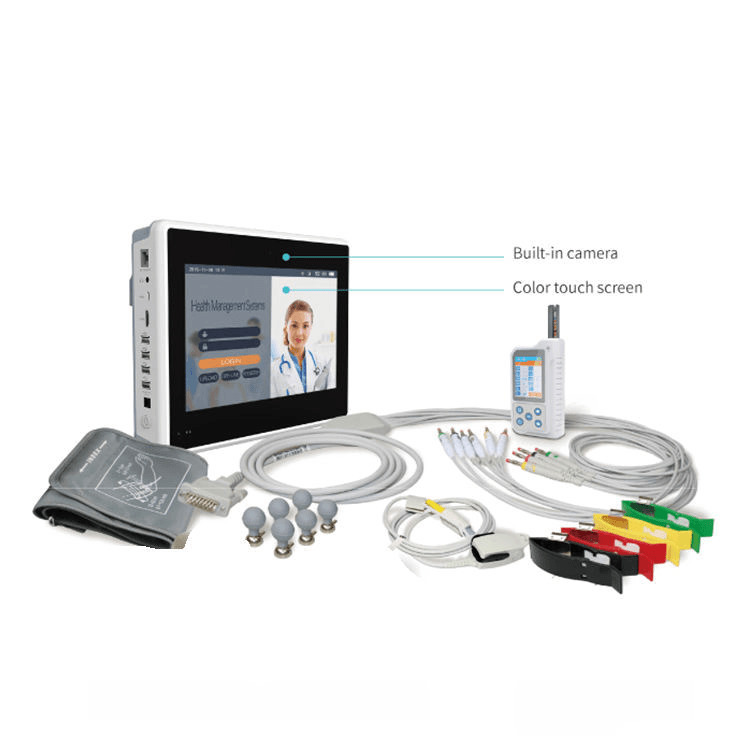
HMS7500 Multi-parameter Vital Signs Monitor
Enhanced vital signs monitoring device with stable performance for daily clinical use.
Typical use:
• Outpatient care
• Community healthcare centers
• Continuous basic monitoring
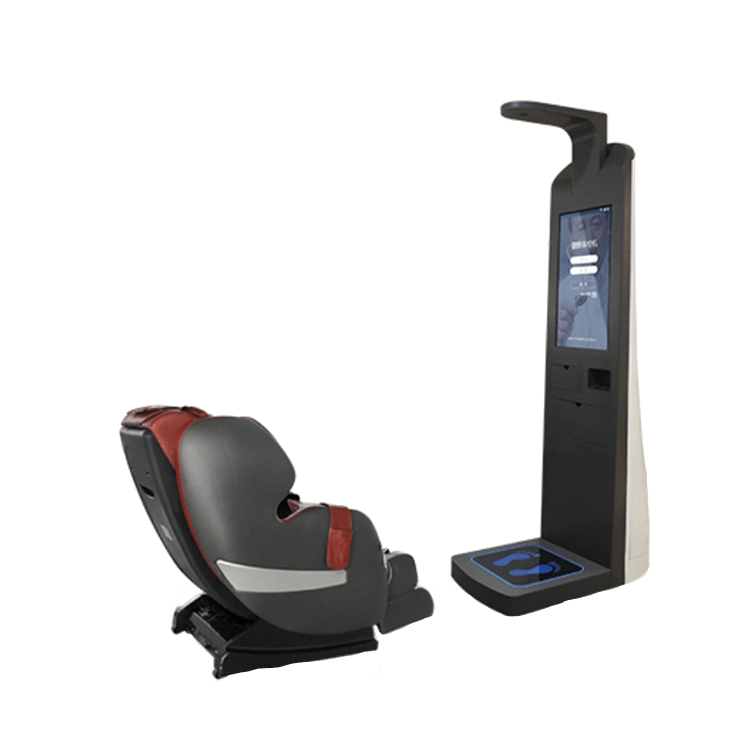
HMS9900 Multi-parameter Vital Signs Monitor
Advanced vital signs monitor with expanded functionality for hospital environments.
Typical use:
• Hospital departments
• Observation rooms
• Higher demand monitoring scenarios
| Model | Best For | Key Advantage | Recommendation |
| HMS6500 | Basic screening | Simple and cost-effective | Small clinics |
| HMS7500 | Routine outpatient use | Balanced performance | ⭐ Most common choice |
| HMS9900 | High-volume environments | Higher efficiency | Hospitals |
Quick Selection Guide
• Small clinics / basic screening → HMS6500
• Outpatient departments → ⭐ HMS7500
• High patient volume → HMS9900
Vital Signs vs Bedside vs Portable Monitors
| Model | Best For | Advantage | Limitation |
| Vital Signs | Screening / triage | Fast and easy | No continuous monitoring |
| Bedside Monitors→ | Hospital wards | Continuous monitoring | More complex |
| Portable Monitors→ | Transport / emergency | Mobility | Limited long-term use |
Typical Applications
Vital signs monitors are widely used in:
• Outpatient departments
• Clinics
• Triage areas
• Community healthcare centers
How to Choose the Right Vital Signs Monitor
When selecting a vital signs monitor, consider:
• Patient volume
• Measurement speed requirements
• Ease of operation
• Budget
Who Should Choose Vital Signs Monitors?
This category is ideal for:
• Clinics and outpatient departments
• Primary healthcare providers
• Medical distributors
• High-throughput screening environments
Relationship With Advanced Monitoring Systems
Vital signs monitors are often used together with more advanced monitoring equipment in hospitals.
For example:
Related Monitoring Solutions
FAQ:
What is a vital signs monitor?
A vital signs monitor is a medical device used to measure essential physiological parameters such as heart rate, oxygen saturation and blood pressure.
Where are vital signs monitors commonly used?
Vital signs monitors are widely used in clinics, outpatient departments and emergency triage areas for basic patient assessment.
What parameters do vital signs monitors measure?
Most vital signs monitors measure heart rate, oxygen saturation (SpO2), blood pressure, respiration rate and body temperature.
