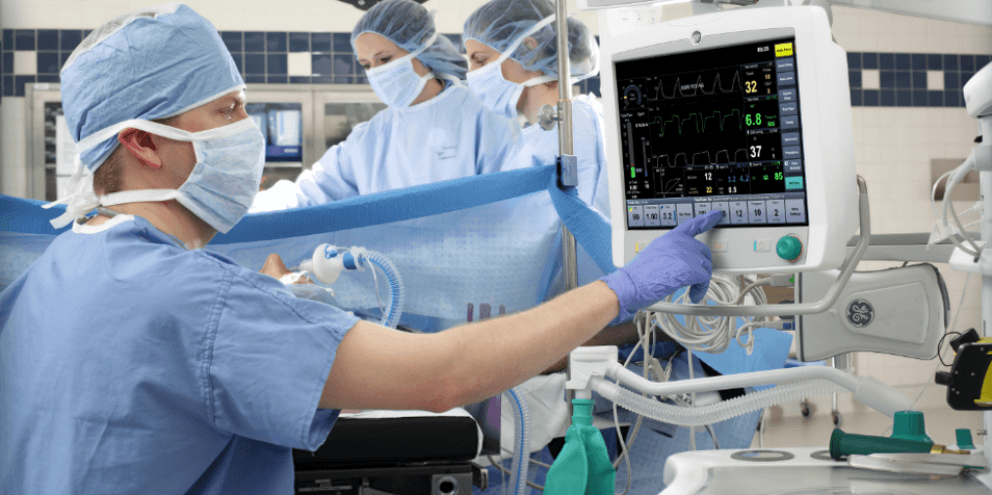
Patient Monitors for Operating Room Monitoring

Operating Room Monitoring
Operating room monitoring systems display essential vital signs such as ECG waveforms, oxygen saturation, heart rate, blood pressure and respiratory parameters. These monitoring devices help medical professionals detect physiological changes quickly and ensure patient safety during surgery.
Modern operating room patient monitors are designed to provide high accuracy, stable performance and clear waveform displays, supporting surgical teams in critical clinical environments.
Why Patient Monitoring Is Critical in Operating Rooms
During surgical procedures, patients are often under anesthesia and require continuous monitoring to ensure stable physiological conditions. Operating room monitoring systems provide real-time data that helps anesthesiologists evaluate patient responses to anesthesia and surgical interventions.
Continuous monitoring helps detect abnormal vital signs early and allows the medical team to respond quickly to maintain patient safety.
Typical monitoring parameters include:
• Electrocardiogram (ECG) monitoring
• Oxygen saturation monitoring (SpO2)
• Blood pressure monitoring (NIBP)
• Respiratory monitoring
• Body temperature monitoring
Recommended Patient Monitors for Operating Rooms
These patient monitors are suitable for operating room environments where reliable and continuous monitoring is required.
Key Features of Operating Room Monitoring Systems
Operating room monitoring systems provide advanced monitoring capabilities to support surgical procedures.
Key features include:
• Real-time ECG waveform monitoring
• Accurate oxygen saturation monitoring
• Continuous blood pressure measurement
• High-resolution waveform display
• Intelligent alarm systems for patient safety
These monitoring capabilities help surgical teams maintain stable patient conditions during complex medical procedures.
Operating Room Monitoring Workflow
In operating rooms, monitoring devices are connected to the patient through sensors and electrodes. The monitoring system continuously records physiological signals and displays real-time waveforms on the monitor screen.
During surgery, anesthesiologists closely observe these vital parameters to ensure that the patient remains stable throughout the procedure.