
How to Choose an ECG Machine for Your Medical Facility
This guide explains the key factors to consider when selecting an ECG system and helps buyers understand which setup works best for their needs.
Understanding Different Types of ECG Machines
ECG systems are typically categorized based on the number of channels they support. The channel configuration affects diagnostic capability and workflow efficiency.
3-Channel ECG Machines
Best suited for:
- Small clinics
- Basic cardiac screening
- Low patient volume
Advantages:
- Compact and portable
- Easy operation
- Cost-effective entry option
6-Channel ECG Machines
Best suited for:
- Growing clinics
- Community healthcare centers
- Routine cardiac evaluation
Advantages:
- Faster ECG recording
- Balanced diagnostic capability
- Suitable for moderate patient flow
12-Channel ECG Machines
Best suited for:
- Hospitals
- Cardiology departments
- Diagnostic centers
Advantages:
- Comprehensive cardiac analysis
- Faster examination workflow
- Higher diagnostic accuracy
Key Factors to Consider Before Buying an ECG Machine
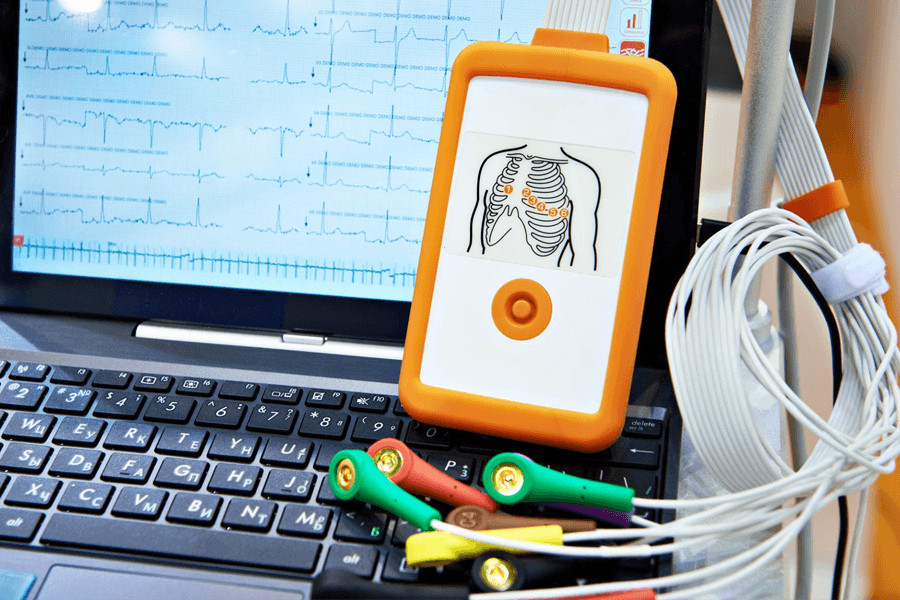
Clinical Application
Different facilities have different diagnostic needs.
Typical use cases:
Clinic environment
Routine ECG tests and early screening.
Hospital environment
Advanced cardiac diagnosis and patient monitoring support.
Diagnostic centers
High-volume ECG examinations and standardized workflows.
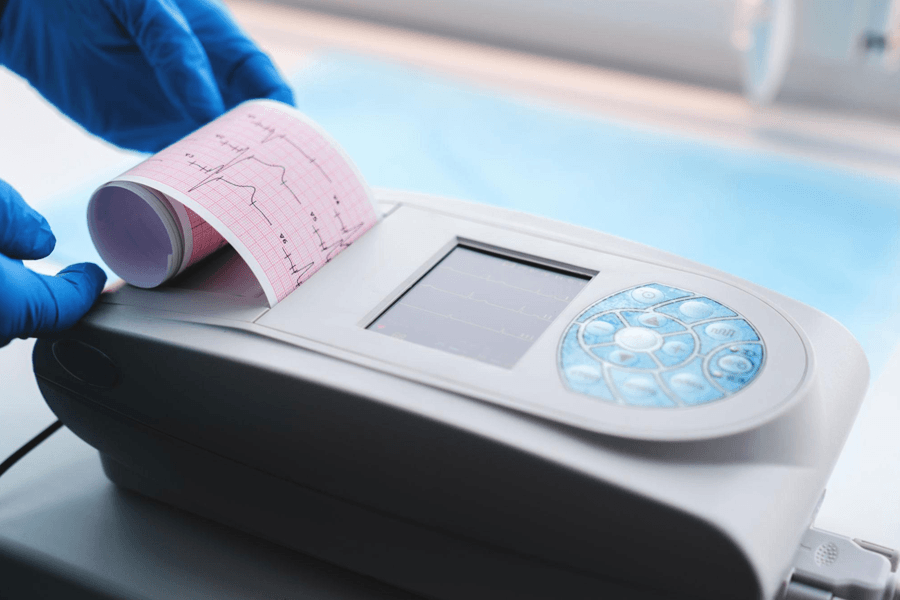
Workflow Efficiency
When evaluating ECG equipment, buyers should consider:
- Recording speed
- Ease of operation
- Data storage capability
- Integration with hospital systems
These factors significantly impact daily clinical operations.
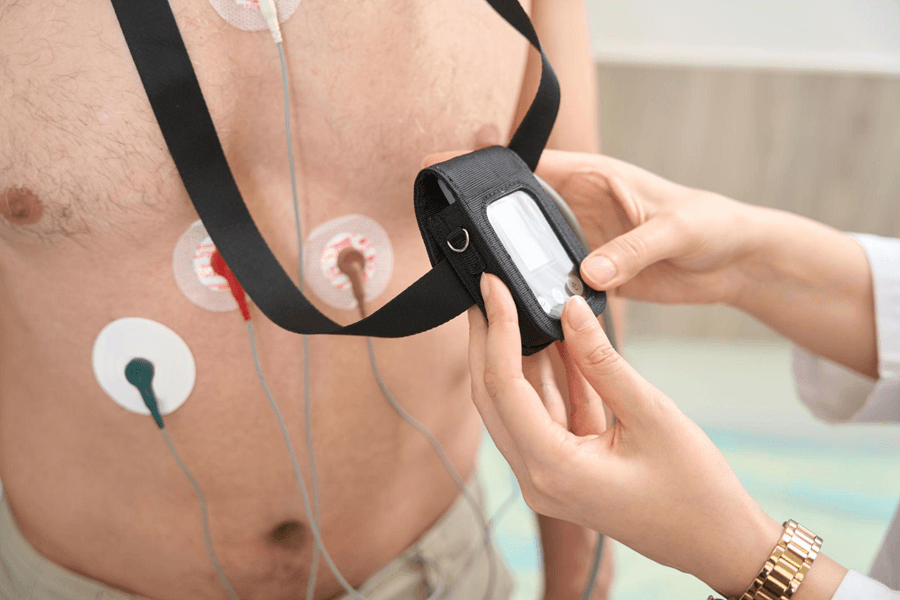
Portability Requirements
Some healthcare providers require mobile ECG solutions, especially in:
- Emergency departments
- Mobile clinics
- Screening programs
- Patient transfer scenarios
Portable ECG machines are designed for flexibility and rapid deployment.
ECG Machines for Different Healthcare Settings
ECG Machines for Clinics
Clinics typically prioritize:
- Ease of use
- Reliable ECG recording
- Compact design
Recommended configuration:
6-channel or entry-level 12-channel ECG.
ECG Systems for Hospitals
Hospitals usually require:
- Full cardiac diagnostic capability
- Integration with monitoring systems
- Higher examination capacity
Recommended configuration:
12-channel ECG systems.
ECG Solutions for Distributors
Distributors often build product portfolios:
- Entry-level ECG devices
- Mid-range clinical ECG systems
- Advanced hospital ECG equipment
This allows them to serve different healthcare markets.
How ECG Systems Fit Into a Complete Cardiology Setup
In real clinical environments, ECG machines are often used together with other devices such as:
- Patient monitoring systems
- Blood pressure monitors
- Pulse oximeters
These devices support comprehensive patient assessment and improve diagnostic efficiency.
👉 Recommended configuration can vary depending on facility size and patient volume.
How ECG Systems Fit Into a Complete Cardiology Setup
In real clinical environments, ECG machines are often used together with other devices such as:
- Patient monitoring systems
- Blood pressure monitors
- Pulse oximeters
These devices support comprehensive patient assessment and improve diagnostic efficiency.
👉 Recommended configuration can vary depending on facility size and patient volume.
Related Solutions
If you are planning a cardiac diagnostic setup, these pages may help:
When Should You Upgrade Your ECG Equipment?
Healthcare providers often consider upgrading ECG machines when:
- Patient volume increases
- Diagnostic requirements expand
- Older systems lack modern features
- Clinics expand into cardiac screening services
Upgrading equipment helps improve both efficiency and diagnostic capability.
Need Help Choosing the Right ECG Machine?
Selecting the right ECG system depends on clinical environment, workflow requirements, and market needs.
Our team can help you identify suitable ECG configurations for your facility or distribution business.