
Patient Monitor vs Vital Signs Monitor: Which One Do You Need?
What Is a Patient Monitor?
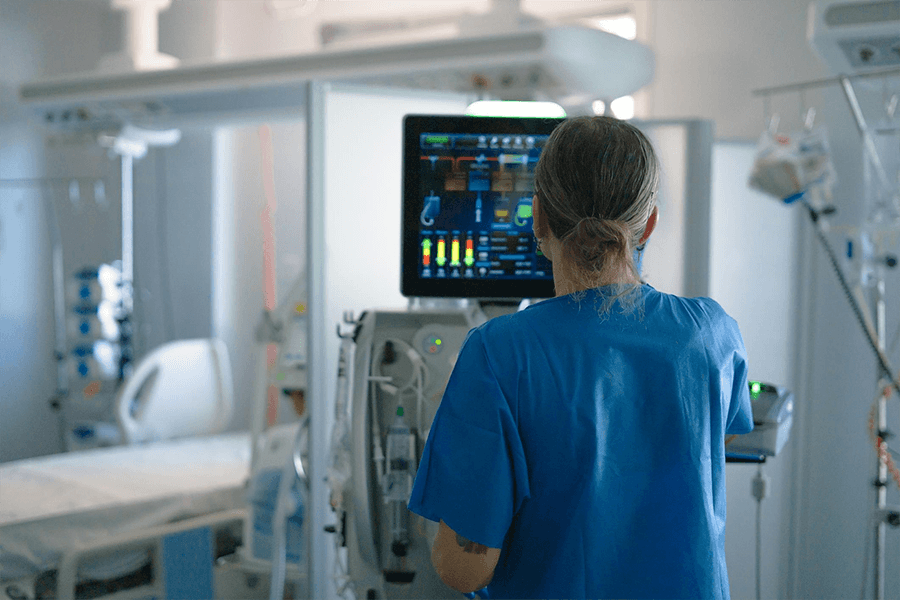
A patient monitor is a multi-parameter device used for continuous monitoring of critically ill or high-risk patients.
Typical parameters include:
- ECG (heart activity)
- SpO₂ (oxygen saturation)
- NIBP (blood pressure)
- Respiratory rate
- Temperature
Key characteristics:
- Continuous real-time monitoring
- Alarm system for abnormal values
- Suitable for ICU and hospital use
What Is a Vital Signs Monitor?
A vital signs monitor is typically used for spot-check measurement rather than continuous monitoring.
Common parameters:
- Blood pressure
- Pulse rate
- SpO₂
- Temperature
Key characteristics:
- Simple and easy to use
- Portable and cost-effective
- Suitable for clinics and routine checks
Key Differences Between Patient Monitors and Vital Signs Monitors
Monitoring Type
• Patient monitor: continuous monitoring
• Vital signs monitor: spot-check measurement
Clinical Use
Patient monitor:
• ICU
• Operating rooms
• Emergency care
Vital signs monitor:
• Clinics
• Outpatient departments
• Routine examinations
Cost and Complexity
Patient monitor:
• Higher cost
• More advanced
Vital signs monitor:
• Lower cost
• Easy to operate
Functionality
Patient monitor:
• Multi-parameter tracking
• Alarm system
• Data storage
Vital signs monitor:
• Basic measurements only
• No continuous tracking
Which One Should You Choose?
Choose a Patient Monitor If:
- You need continuous monitoring
- You are working in ICU or hospital settings
- You require advanced data tracking
Choose a Vital Signs Monitor If:
- You need basic health measurements
- You are operating a clinic or screening program
- You want a simple and cost-effective solution

How These Devices Work Together
In many healthcare settings, both devices are used together:
- Vital signs monitors for quick screening
- Patient monitors for continuous observation
This combination improves workflow efficiency and patient care.
👉 See complete hospital setup→
When Should You Upgrade to a Patient Monitor?
You should consider upgrading when:
- Patient volume increases
- Continuous monitoring becomes necessary
- Clinical requirements become more complex
Need Help Choosing the Right Monitoring Equipment?
Selecting the right monitoring device depends on your clinical needs, budget, and workflow.
Our team can help you choose the right solution for your market.